
Football
FCS Scheduling Isn’t Fun but Don’t Expect It to Change Anytime Soon
FCS scheduling isn’t all that fun, but here’s why it’s sticking around.

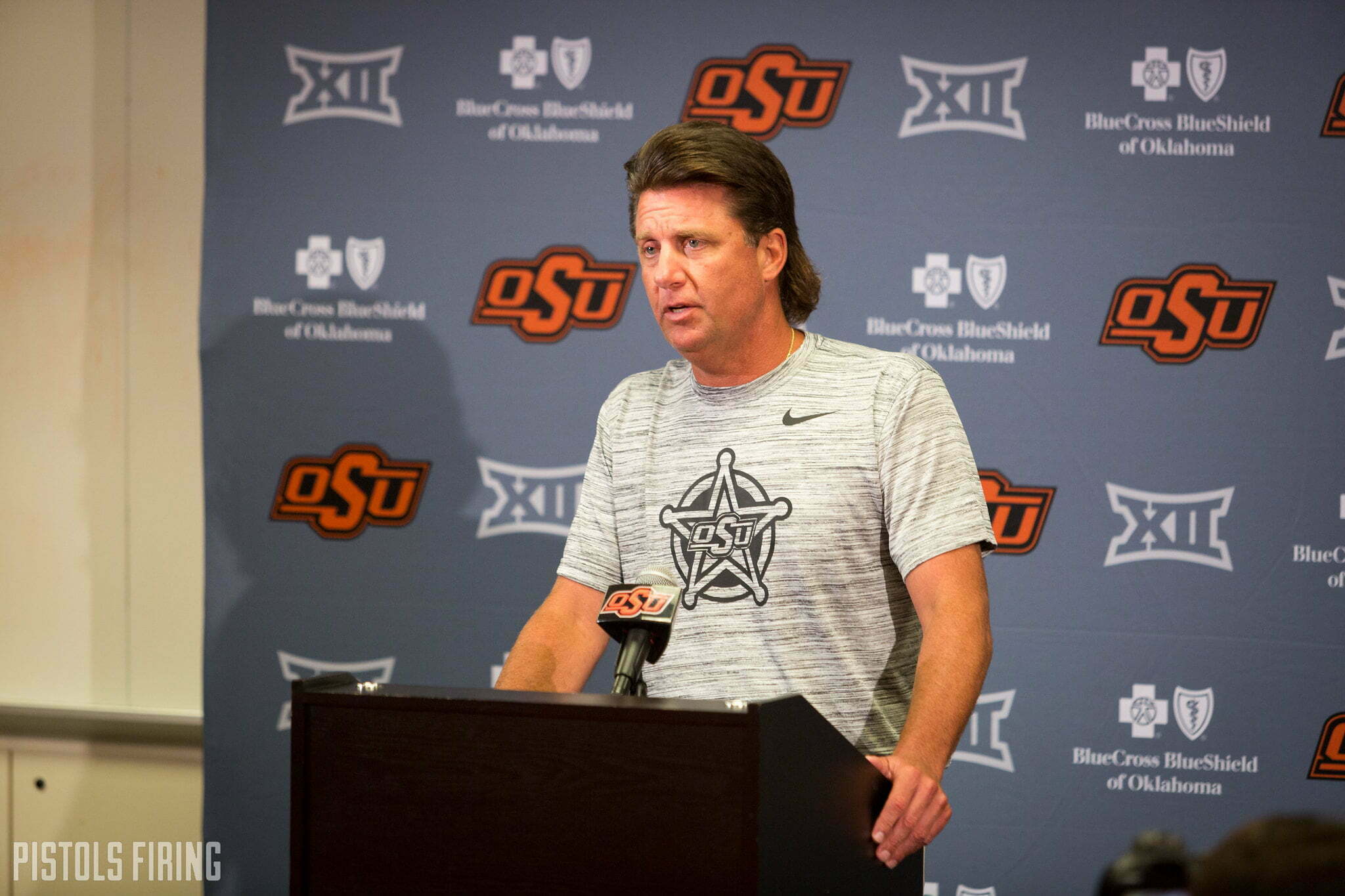
There’s probably nothing less exciting than a home opener against McNeese State, but don’t expect to see any change on that front any time soon.
In Mike Gundy’s 15 seasons at the helm, Oklahoma State will have played an FCS school in 10 of them. And there are more scheduled in each of the next two and three of the next four. And from a wins and losses standpoint (the dollar and cents of college football), it makes fiscal sense.
Five-plus years ago, when the newly formed College Football Playoff selection committee made a point of harping on nonconference scheduling, it was assumed that schools with a preseason puncher’s chance at the Final Four would be dissuaded from peppering their early schedules with non-FBS opponents.
But the fact is that the committee’s rationale and criteria for selecting “the best four teams” is as fluid as any rotating group of human beings replete with their separate agendas, conscious or otherwise. Noncon scheduling, specifically concerning FCS teams, has proven to be just a small piece of the puzzle and has been treated as such by programs all over the country.
Here are some facts about FCS scheduling:
1) Only one win over a non-FBS team counts toward a team’s bowl eligibility. When it comes to the CFP committee it counts as a non-factor, or missing data point (yes, those things).
2) FBS teams are 439-21 against FCS teams since 2010 and pay a nice bit of coin to their (usually visiting) warm-up opponents to get blown out in a glorified scrimmage.
3) That extra W on the schedule has allowed more teams to get into the playoff (or at least not held them out) than it has kept them out. (If Ohio State hosts Youngstown State instead of Oklahoma in 2017, they’re inclusion as a Big Ten champ over OU is almost guaranteed.)
In five renditions of the CFP, 20 teams have been selected (don’t worry, I checked my math on that) and 13 of them had played an FCS opponent that season.
In fact, the only teams to make it multiple times without an FCS-tainted schedule in-tow were Oklahoma (2015, 2017, 2018) and Ohio State (2014 and 2016) — but not 2017. Michigan State didn’t play one in 2015 when it got in and Notre Dame didn’t play one last year (and never has).
Currently only three Division I college football programs can claim to have never faced an FCS opponent (USC, UCLA and Notre Dame) and that number is dwindling with USC having recently announced a bout with UC-Davis in 2021.
In contrast, Alabama has played an FCS team every year dating to at least 2008 and has one scheduled for each of the next three with the possibility of adding one in 2022. Clemson has the same recent track record and has an FCS team scheduled for at least the next seven years. Those two teams account for nine of the 20 Final Four entrees.
And even programs that have recently avoided the FCS are changing their minds.
Through my rooting around, I found this ESPN article from 2015 when Dana Holgorsen all but called out Mike Gundy (and others) for scheduling FCS teams. He qualified WVU matchups against Liberty and Youngstown State in 2015 and 2016 as having already been scheduled out before his arrival.
But his canoe sinks when you look forward at the Mountaineers’ schedule in 2017 and 2018 that both included FCS opponents, just like every year of his tenure in Morgantown. That’s not intended to bash Dana, it’s just pointing out that all teams (and coaches) are pressured to win and having that extra gimme game at least partly factors into those decisions.
Even Oklahoma, which has been the case for not scheduling FCS schools, has one scheduled in each of the next three years.
Is this trend it fun for the fans? No. Does it help a team prepare for the future? Not likely.
That bemoaned epidemic of P5 teams scheduling of FCS opponents does little to move the needle for you or I or fill up the stands — does Missouri State get your blood pumping? It doesn’t mine — but in the grand scheme of things it does more help than hurt when it comes to teams and their ultimate goals and, therefore, is probably not going anywhere anytime soon.


What Makes Michael Hawkins, Cam Cook So Good Running the Football and How Can OSU Shut Them Down?

The Final Draw: Breaking Down Vehrs Debut, Bowick’s Route Tree and Concerns for the Running Game After Murray State Win

Oklahoma State Updates Depth Chart Ahead of Big 12 Opener Against West Virginia

3 Things That West Virginia Coach Rich Rodriguez Said Entering Oklahoma State’s Trip to Morgantown

Cowboy Wrestling: Oklahoma State Announces OSU Invitational Tournament

Daily Bullets (Sept. 26): We’ll Cross West Virginia’s Goal, and Then We’ll Sing “Oklahoma State”

PFB Roundtable: Offense vs. Defense? Discussing Oklahoma State’s Strength

Big 12 Power Rankings Going into Week 4

Game Preview: Kick Time, TV Info, Stats for Oklahoma State-West Virginia

Three Things to Know Ahead of OSU’s Trip to West Virginia
-
 Football4 days ago
What Makes Michael Hawkins, Cam Cook So Good Running the Football and How Can OSU Shut Them Down?
-
 Football5 days ago
The Final Draw: Breaking Down Vehrs Debut, Bowick’s Route Tree and Concerns for the Running Game After Murray State Win
-
 Football4 days ago
Oklahoma State Updates Depth Chart Ahead of Big 12 Opener Against West Virginia
-
 Football4 days ago
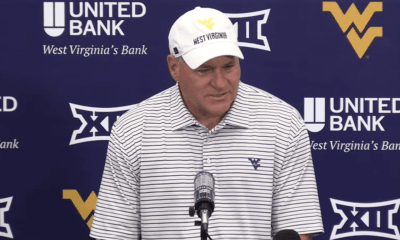
3 Things That West Virginia Coach Rich Rodriguez Said Entering Oklahoma State’s Trip to Morgantown